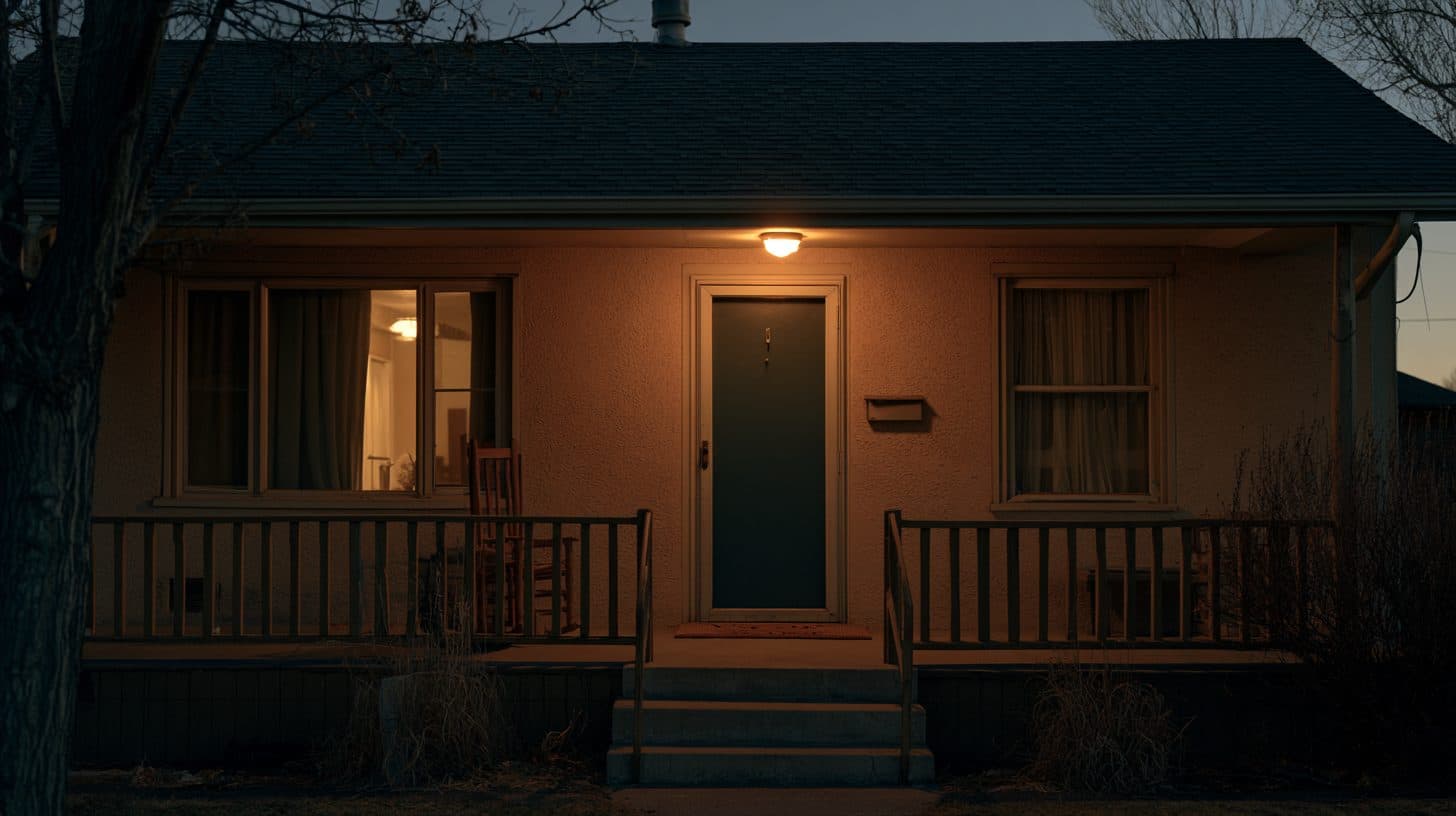
Every service business knows the feeling. The conversation was warm, the customer said "great, send it through," you sent a fair price — and then they vanished like the number itself was offensive. No reply, no rejection, nothing to learn from.
Ghosting feels personal. It almost never is. Customers go silent for a small set of predictable reasons, and once you can tell them apart, two things happen: your recovery messages get better, and — more valuable — you start preventing the silence before it happens.
The six reasons customers go quiet
1. Price shock — but not what you think. Often the problem isn't that your price was high; it's that they had no idea what the job should cost, anchored on a guess ("a few hundred, surely?"), and your accurate $2,400 landed like an insult. They're not angry at you. They're embarrassed about their guess, and embarrassed people avoid conversations. This is the most common ghost, and it's mostly preventable — more below.
2. They're still collecting quotes. You were quote one of three. They're waiting on the slow companies (there's an irony in there), and by the time quote three arrives, replying to you feels overdue and awkward — so they don't. These customers are very much still winnable; they just need an easy way back into the conversation.
3. Life happened. The car broke, a kid got sick, work exploded. The gutters still leak, the quote still sits in their inbox, and they still intend to come back to it. Silence here means "not this week," not "no."
4. Someone faster already won. If your quote took four days to arrive, a competitor who priced it in four hours may have booked the job before you answered. The customer feels vaguely guilty and says nothing. This ghost isn't a follow-up problem — it's a speed and completeness problem on the next lead.
5. They never intended to buy. Some requests were always research: a homeowner pricing a someday-project, a landlord building a budget, occasionally a competitor. A few of these convert eventually — someday-projects become now-projects — but no message you send this month will change their timeline.
6. Your quote raised questions it didn't answer. A single large number with no breakdown, no explanation of what's included, no word on what happens if the job turns out bigger — that's not a quote, it's a riddle. Confused customers rarely ask for clarification; they just quietly get another quote from someone who explained things. (If your estimates sometimes change after the work starts, say so up front and say why — we wrote about how on why estimates change.)
What to send when you've been ghosted
You usually can't tell which ghost you've got from the outside — so send messages that work on several at once. The three-touch sequence in our follow-up guide is built for exactly that: touch 1 catches the life-happened and still-comparing crowd, touch 2's real scheduling nudge converts the fence-sitters, and touch 3's "reply 'not this time' and I'll close the file" gives the price-shocked and the already-committed a painless exit — which they take, giving you certainty instead of limbo.
One addition for the suspected price-shock ghost: reopen scope, never rate. "If the full replacement is more than you wanted to take on right now, the repair-plus-maintenance option would hold you for a couple of years — happy to price that if useful." You've offered a smaller job, not a discount — and smaller job beats no job.
Prevention beats recovery, every time
Here's the more valuable half. Most ghosting is decided before you ever send the number — by what the request did and didn't collect.
Collect timing, always. "When were you hoping to have this done?" sorts the now-buyers from the someday-researchers on day one (ghost #5 stops surprising you) and tells you how hard to follow up. A "just getting an idea for next year" answer isn't a worse lead — it's a lead correctly labeled.
Set the price's context before the price. Where the honest answer to "what does this usually run?" is a wide range, saying so early — on your website, in your first reply, in the request flow itself — means your eventual number lands inside a frame instead of against a fantasy. Ghost #1 mostly evaporates when the customer's anchor was set by you and not by wishful thinking.
Send a quote that answers its own questions. What's included, what's excluded, how long it takes, what could change the number and by how much, how to say yes. Every question your quote answers is a reason not to need "one more quote to be sure."
Be first and complete. Ghost #4 has no cure after the fact — only prevention. The company that gets the full job details in the first exchange and replies with a real number while everyone else is still asking "is that single story or two?" simply gets ghosted less. That's the thesis of why the first complete answer wins, and it's the pattern we see over and over.
Start with the questions, photos and timing you need to respond usefully. A saved reply and a simple list of open quotes can be enough to run that process. If your website is the weak point, Comora writes, builds and maintains service-business sites with a clear enquiry path. Book a call to discuss it.
Customers will still ghost you sometimes. But there's a difference between a mystery and a statistic: a mystery eats at you on the drive home; a statistic you measure, shrink, and price in. Get the request complete, frame the number, follow up like a professional — and watch the mystery turn into a manageable little number.
Related reading: How to follow up without being pushy · What to ask before you quote
Keep reading
How to stop no-shows for estimates and site visits
No-shows burn fuel, time, and morale. Five fixes that work — including the one nobody mentions: not driving out for jobs you could price from a photo.
Read more →How to stop the quote back-and-forth (and get the full job in the first message)
Most quotes die in a seven-message thread asking for details. How to get the full job in the first message and quote while competitors are still asking.
Read more →How to follow up on an estimate without being pushy
Sent an estimate and heard nothing? A three-touch follow-up with exact scripts, timing that feels helpful instead of desperate, and when to stop.
Read more →